Headphones at the Gym: The Introvert Boundary That Actually Works
Quick Answer: Headphones are the gym’s recognized do-not-disturb signal - and they work best run deliberately: over-ears signal harder than invisible buds, keeping them on between sets maintains the boundary, and the remove-one-ear gesture cleanly rations the interactions you choose. The etiquette spine: the signal excuses you from small talk but never from equipment questions (are you using this deserves an answer), sharing requests, or staff and safety communication. Add the two safety rails - volume low enough to hear your name and a plate hitting the floor, at least one ear open on any outdoor or crowded-floor cardio - and the system gives an introvert what the gym rarely offers: a solo room inside a public one.
The worst part of the gym, for a certain kind of person, was never the squats. It was the fifteen-second eternity between sets when a stranger drifts over with a form tip, a question, or just weather commentary - while your social battery, budgeted carefully for the day, drains on the spot. The fix has been sitting on your head the whole time; it just works better with a manual.
Why headphones work as a social signal
They outsource the awkward sentence. The hard part of not talking at the gym was never the preference - it is that declining conversation in real time requires a small confrontation. Headphones move the message upstream: the boundary is announced before anyone approaches, impersonally, to everyone at once. Nobody is rejected, because nobody asked. That is why the signal feels so much lighter than any polite brush-off you have rehearsed.
Gym culture has genuinely ratified it. Across commercial gyms, the norm is settled enough to appear in etiquette guides: headphones in means approach only for practical reasons. You are not inventing a boundary and hoping; you are using a shared convention most regulars respect automatically. The people who ignore it are recognized - by everyone, not just you - as ignoring it.
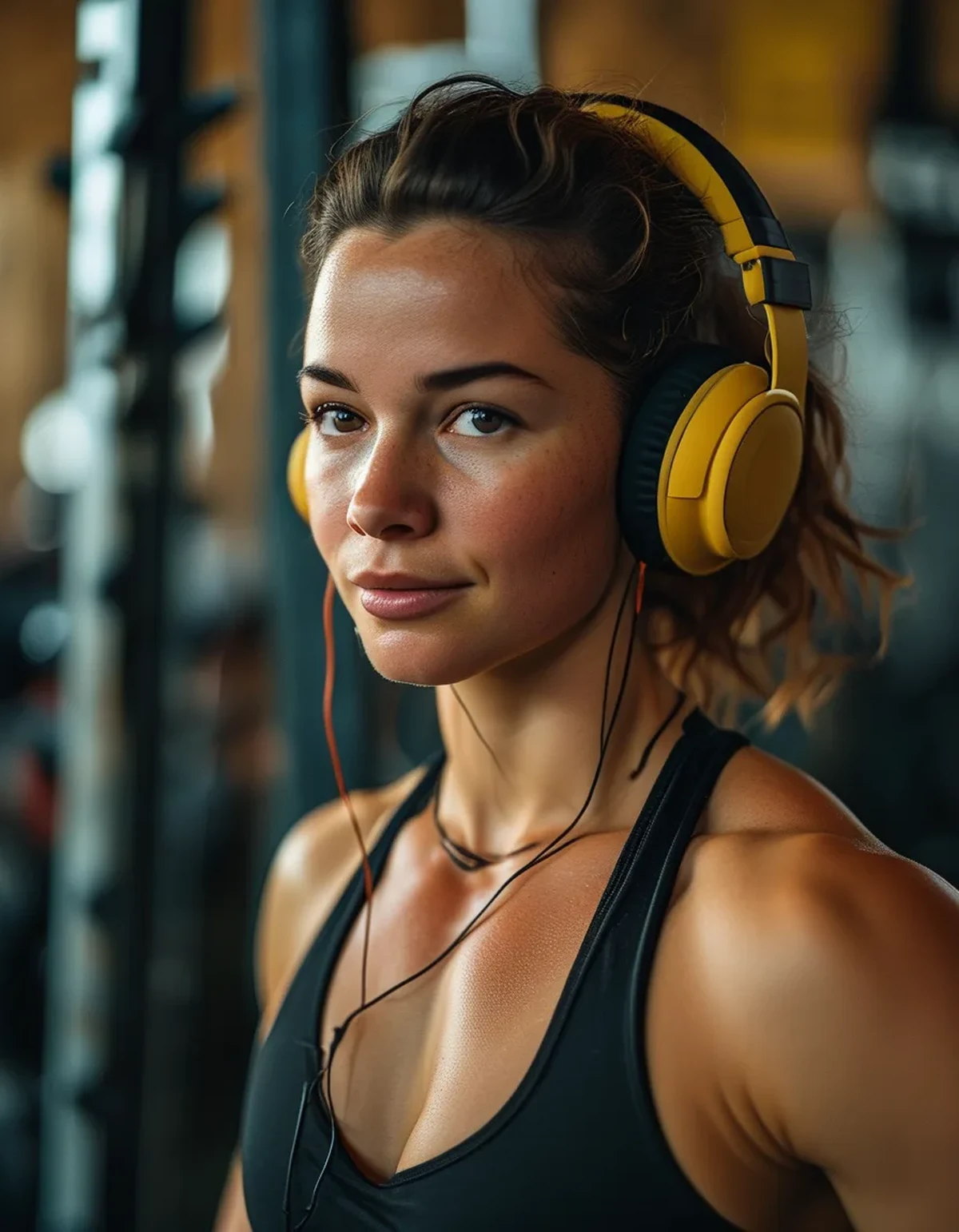
Visibility does the heavy lifting. The signal strength ranks: over-ears broadcast unmistakably across a room; visible earbuds signal adequately at close range; invisible in-ears signal almost nothing - half of unwanted interruptions of small-bud wearers are honest failures to notice. If your goal is fewer approaches, the hardware choice is not an audio decision first; it is signage.
And the effect is inward as much as outward. Noise attenuation shrinks the sensory load of a crowded gym - clanging, mixed playlists, other people’s conversations - which for many introverts is half the exhaustion. Plus the psychology runs deeper than quiet: a familiar playlist creates a portable private room, the same reason focus music works in open offices. The signal keeps others out; the sound keeps you in. Both halves matter, and the manual below is mostly about not letting either half fail.
Running the system - hardware, gestures, and the interaction budget
Choose hardware for the message first. Maximum boundary: over-ears - unambiguous at distance, comfortable between sets, and doubling as the strongest attenuation. Middle path: brightly visible buds. If you love your tiny invisible in-ears, accept their weak signaling or reinforce them: hood up, cap low, and positioning (facing away from walkways) add signal the hardware lacks. Sweat-proofing and a secure fit matter for the obvious reasons - a bud that falls out mid-set forces exactly the fumbling public moment the system exists to prevent.
Keep them on between sets. The classic leak: headphones off to rest, scrolling on the bench - which reads as available and invites the approach you dreaded. Resting with headphones on, even paused, maintains the do-not-disturb continuously. The pause button is your friend; the neck-drape is a welcome mat.
Master the one-ear gesture. When interaction is wanted or required, removing one ear cup or bud - deliberately, with eye contact - is the recognized handshake: it says you have my attention, briefly. Replacing it ends the exchange cleanly, no exit line needed. This single gesture is what converts headphones from a wall into a door you control.
Budget, do not abolish. Total unavailability forever has costs - spotters, regulars who look out for you, the front desk knowing your name. The sustainable version is chosen moments: headphones off at the water fountain when you have capacity, a nod to the familiar faces, one ear out for the person you actually like. An interaction budget spent deliberately beats both extremes: the drained people-pleaser and the fortress.
And dress the signal consistently. Regulars read patterns fast: the person in the same over-ears, the same focused circuit, the same leggings-and-hoodie uniform, becomes she is here to train within two weeks - after which the gym itself starts protecting your boundary. Consistency converts a daily negotiation into a standing reputation, and reputation does not drain the battery.
What Nobody Tells You About the Headphone Boundary
The exceptions are the etiquette. Headphones excuse small talk - never logistics. Are you using this bench, can I work in, how many sets left, and anything from staff deserve the one-ear gesture and a real answer, every time. The wearers who ice-out equipment questions are the reason some lifters resent headphones; being crisply responsive to the legitimate five percent is what buys the uninterrupted ninety-five.
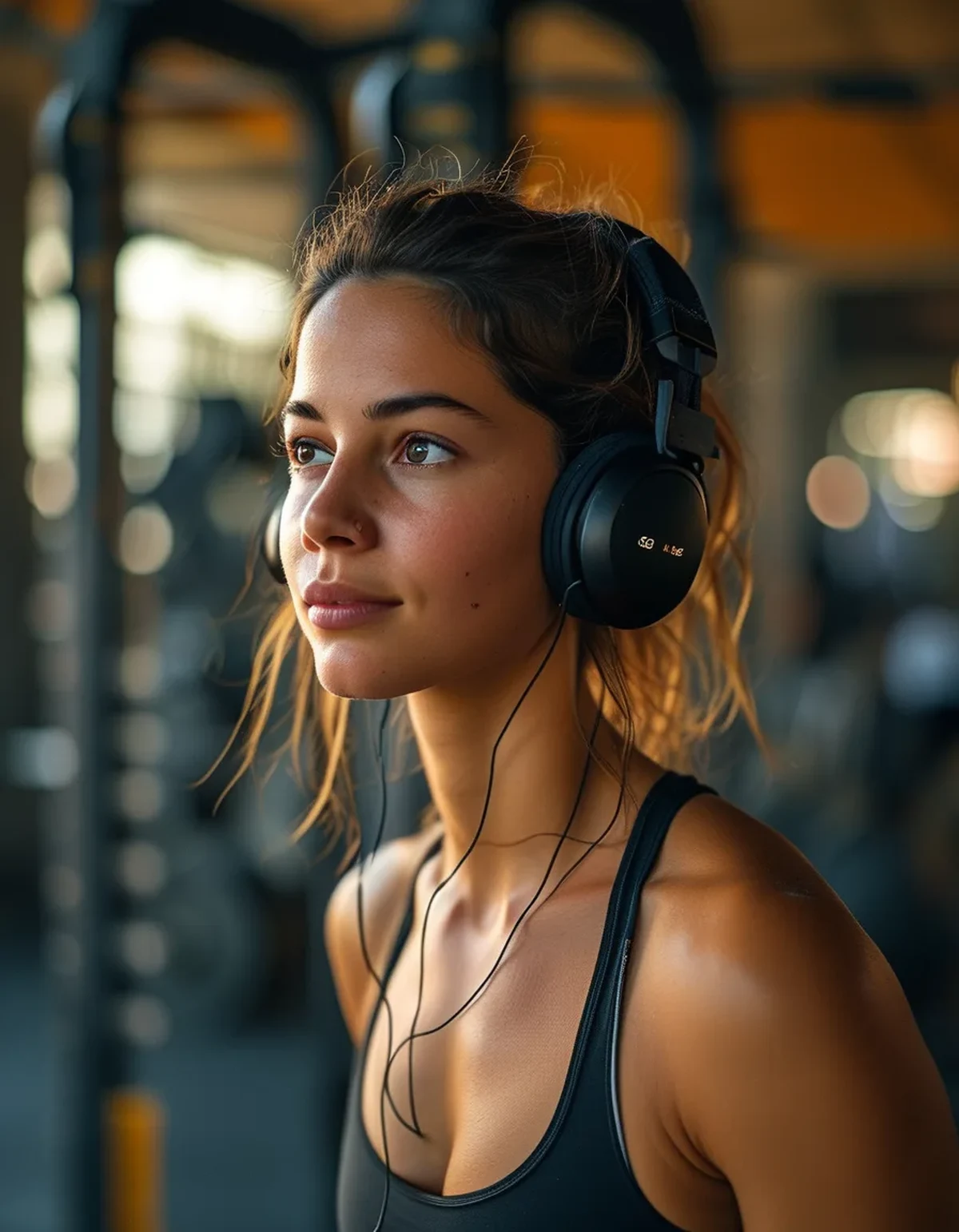
Volume is a safety system, and the gym has real alarms. You need to hear a dropped plate near you, your name, a re-rack behind your squat, and anything resembling someone in trouble. Modern transparency modes solve what older gym-goers solved with one ear out: boundary intact, awareness on. Outdoors - runs, trail walks, parking lots at dusk - the rule hardens to one ear open or transparency always. The do-not-disturb sign is for humans, not for traffic.
Beware the boundary becoming a ceiling. Some introverts discover, a year in, that the gym contains two or three people they would genuinely like - and the fortress never let the liking happen. The audit question: is the signal protecting your energy or protecting you from ten seconds of benign contact you would actually survive? Same hardware, different honesty. The one-ear budget exists exactly for this.
Class settings run different law. Instructors need your ears for cues and safety; most studios expect headphones off. The introvert moves there are positional instead: back corner, early arrival to claim space, prompt exit. Do not import the floor rules into the studio - it reads as rude in a way open-floor headphones never do.
Battery death is a plan-B problem. The day the buds die at the door is the day the whole system tests you. Veterans keep a fallback: a cheap wired pair in the gym bag pocket. Silent headphones, honestly, still run most of the signal - nobody can hear that there is nothing playing.
And the polite override script is worth memorizing. For the persistent talker who outlasts the signal: one ear out, smile, in the middle of a program, have a good one, ear back in, next set immediately. Kind, complete, unanswerable. You will need it about once a month, and having it rehearsed is what keeps the moment costless.
Building the full introvert gym stack around it
Headphones are the flagship; the fleet is bigger.
Time the crowd, not just the day. The same gym is two different facilities at 8am Saturday and 2pm - off-peak training removes most interaction pressure at the source. Most chains’ apps show live or typical occupancy; introverts who shift even 45 minutes off peak report the gym becoming a different, better place. September note: the back-to-school schedule shuffle re-times every gym’s rush for a few weeks - re-scout your quiet windows rather than mourning the old ones.
Program for autonomy. A written plan - app or paper - removes the wandering-and-deciding phase where approaches cluster, and it gives your eyes somewhere legitimate to be between sets. People with a visible mission get interrupted less; ambling browsers read as available.
Claim geography. Corners, wall-facing racks, the far end of the dumbbell run: positions with one approach vector halve the ambient social exposure of center-floor stations. Home-base setup - towel, bottle, phone arranged - signals occupancy the way a jacket on a chair does.
Uniform up. A consistent training uniform - for many women the same rotation of leggings and a purposeful hoodie or cap - does quiet work: it removes a decision, cues your own brain that this hour is training, and contributes to the regular-who-lifts identity that makes others self-filter their interruptions.
Exit infrastructure matters too. The locker-room social gauntlet drains some people more than the floor; training in what you can drive home in, or a straight-to-car protocol, is a legitimate energy decision, not a hygiene failure.
And schedule the deliberate exception. One conversation a month you choose - thanking the staffer, asking the regular about her deadlift setup - keeps the gym a place with allies in it. The stack’s goal was never zero humans; it is that every human interaction that happens is one you selected, at a moment you could afford it. That is the entire introvert win condition.
FAQ: Gym Headphones and Social Boundaries, Answered
Is it rude to wear headphones the whole time at the gym?
No - it is a recognized, accepted focus signal in nearly every commercial gym, provided you honor the exceptions: equipment questions, work-in requests, and staff communication get a one-ear answer every time. Rudeness lives in ignoring those, not in the headphones.
How do I get someone to stop talking to me mid-workout without being mean?
Use the rehearsed override: remove one ear, smile, say you are in the middle of a program, wish them well, replace the ear, and start your set immediately. It is kind, complete, and hard to argue with - and delivered consistently, it trains repeat offenders better than visible annoyance ever does.
Do earbuds work as well as big headphones for the do-not-disturb signal?
Acoustically fine, socially weaker - invisible buds cause a large share of innocent interruptions simply because nobody saw them. If you prefer buds, choose visible colors and reinforce with positioning and body language, or accept a slightly higher interruption rate as the trade for the smaller hardware.
What volume is safe for gym headphones?
Low enough to hear your name, a dropped plate, and anything happening directly behind you - transparency or ambient modes make this easy on modern sets. Outdoors the standard tightens: one ear open or transparency on, always. Sustained loud listening also carries real hearing-loss risk - the 60 percent volume habit protects both safety and future you.
I want to eventually make one or two gym friends - does the headphone system prevent that?
Only if run as a fortress. The one-ear budget is the door: spend it deliberately on the water-fountain nod, the occasional equipment courtesy, the person whose training you respect. Regulars-with-boundaries make gym friends at a surprisingly good rate - the signal filters small talk, and what gets through tends to be the good stuff.
TL;DR:
- Headphones are the gym’s ratified do-not-disturb sign: they move the boundary upstream so nobody gets rejected in person.
- Run the system deliberately: visible hardware signals hardest, stay on between sets, and the one-ear gesture rations chosen interactions.
- The exceptions are the etiquette - equipment, work-ins, staff, and safety always get an answer - and volume stays low enough to hear the room.
- Stack the rest: off-peak timing, written programs, corner geography, a consistent training uniform, and a rehearsed polite override.
- Keep the door functional: a deliberate monthly exception keeps allies in the building without surrendering the boundary.
The gym never required your small talk - it just never handed you the mute button manual. Now that you have it: ears on, budget set, and the hour is finally, fully yours.
See It in Motion
Seen here: Super High Waist Embossed Yoga Leggings with Inner Pocket — shop it on bubblelime.com
Keep Reading
This article is for general informational and styling purposes only. Fit, sizing, and product availability may vary.