The Introvert's Home Gym: Why Training Alone Is a Feature, Not a Compromise
The fitness industry sells community as the answer — the classes, the crowds, the high-fives — and quietly overlooks the population that trains BETTER without any of it. The introvert’s home-gym case: the advantages, the setup and the accountability that doesn’t require people.
The Solo Advantages
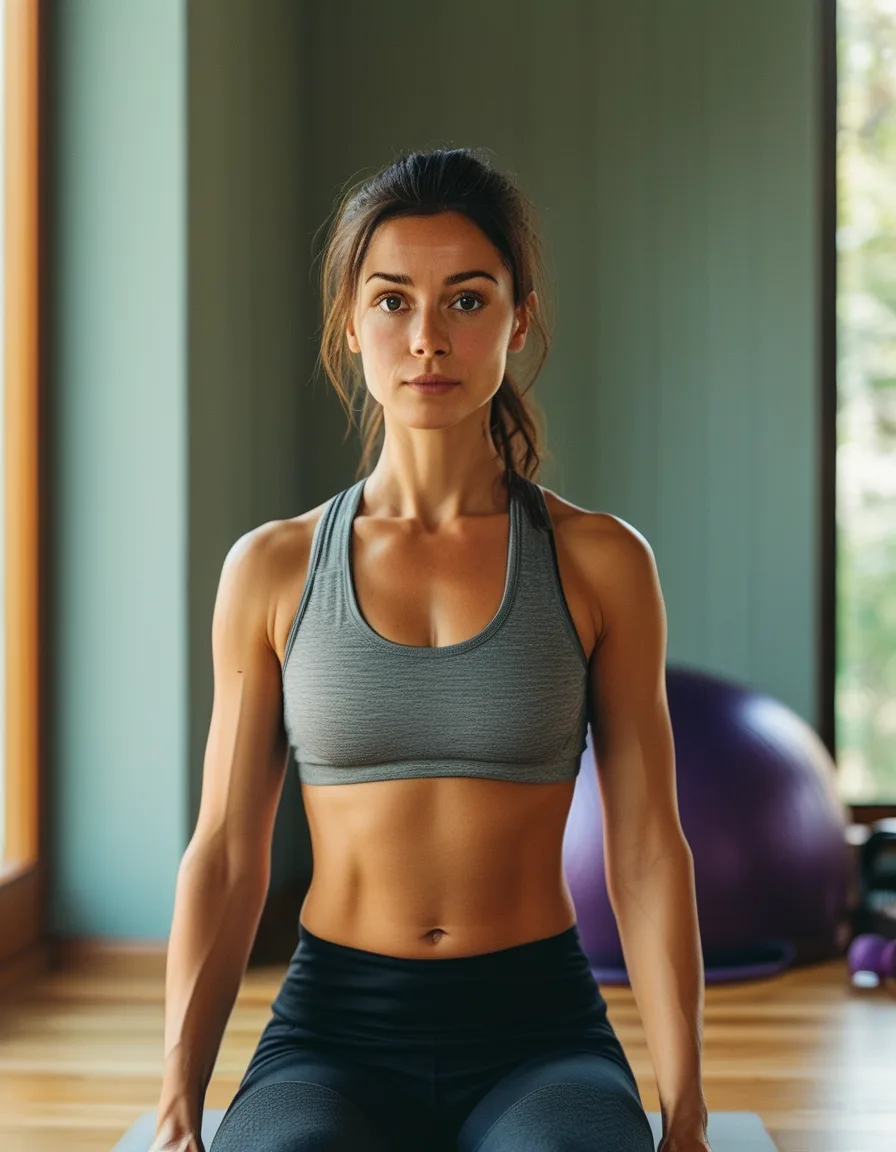
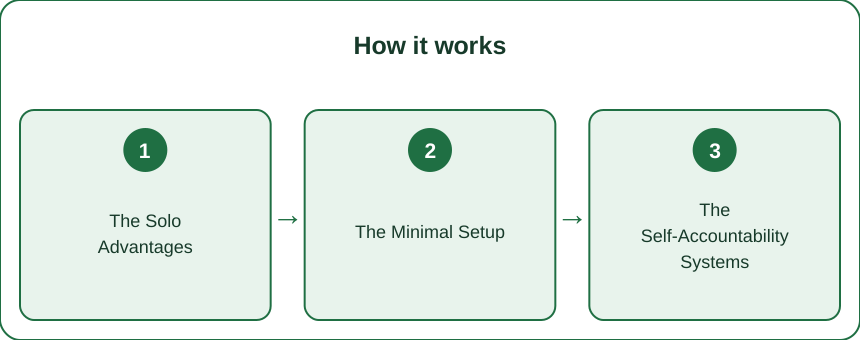
What training alone actually offers: the energy accounting (the introvert’s social battery spent at work leaves nothing for a crowded gym — the home session that COSTS no social energy trains more consistently; the after-work workout that happens because nobody’s there), the focus dividend (no waiting for equipment, no perceived audience, no small talk — the session that’s all session; the gym-anxiety chapter’s entire problem dissolved), the experimentation freedom (the new exercise attempted badly without witnesses — the learning that self-consciousness blocks in public; the awkward first attempts happening in private where they belong), and the recovery honesty (the introvert’s workout as solitude ritual — the training hour that RESTORES rather than depletes; the movement-as-recharge frame that extroverted gym culture never mentions).
The Minimal Setup
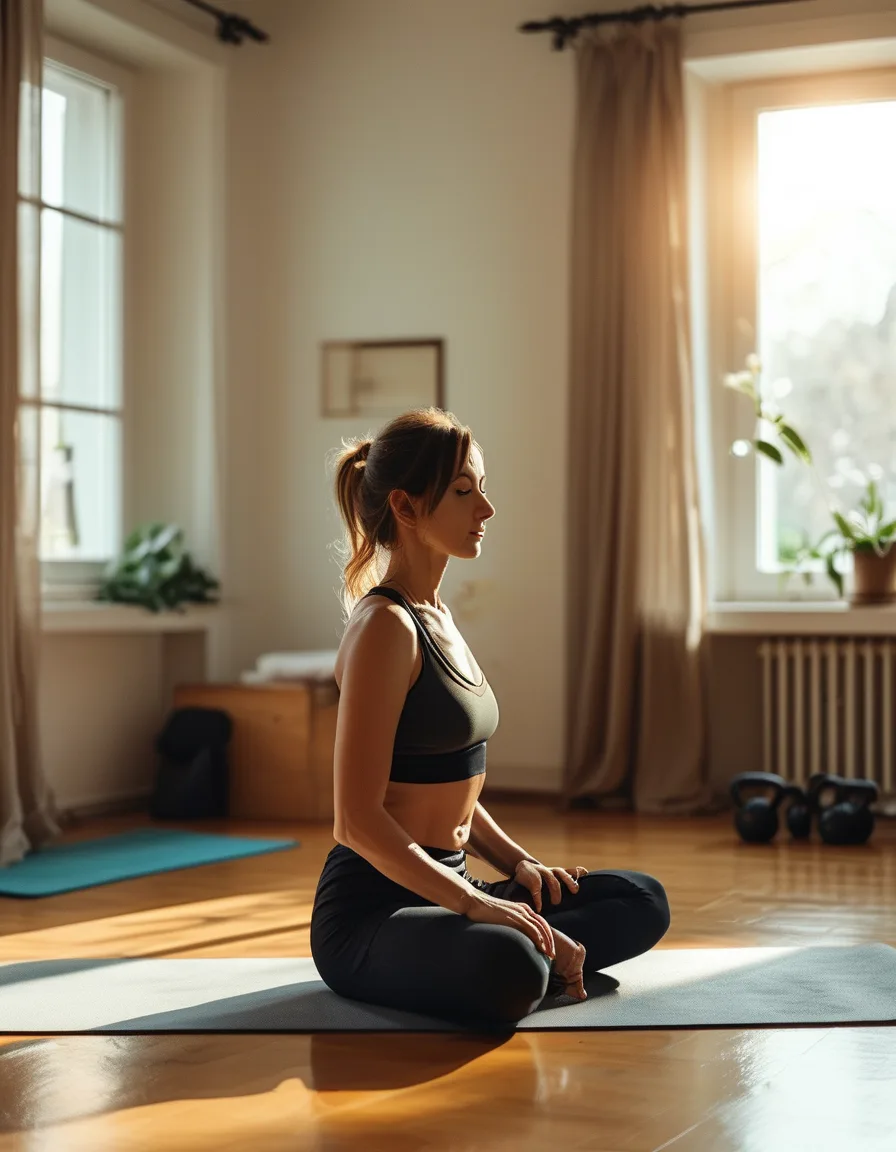
The corner that suffices: the footprint truth (a mat’s worth of floor — the home-gym chapter’s doctrine; the introvert’s gym needing even less because classes were never the plan), the equipment tier (the adjustable dumbbells or kettlebell, the resistance bands, the mat — the strength-training menu covered under 300 dollars; the quiet-workout catalog for apartment neighbors), the atmosphere design (YOUR music or silence, YOUR temperature, YOUR mirror-or-no-mirror choice — the environment tuned to one person’s nervous system; the sensory control that shared spaces can’t offer), and the door that closes (the household negotiation for the protected half-hour — the training solitude defended like the recharge time it is; the headphones-on signal from the boundary chapters).
The Self-Accountability Systems
Consistency without a crowd: the streak-and-log tier (the habit tracker and training log as the witness — the visible chain from the habit chapters; the data that cheers quietly), the program-as-partner move (the written program removing the daily decision — the plan’s authority replacing the class schedule’s; the progressive-overload structure that renders motivation optional), the remote-accountability options (the online coach’s weekly check-in, the training app’s community-at-arm’s-length, the friend who gets a weekly text summary — the accountability dialed to the exact social dose you want; the body-double chapter’s spectrum applied), and the identity anchor (the ‘I train at home’ identity owned proudly — the consistency that silences the you-need-a-gym chorus; the results that argue for themselves).
The Balanced Frame
The honest caveats: the form-feedback gap (the solo trainee films her lifts — the video check replacing the trainer’s eye; the occasional form-check session or online review as the audit), the plateau watch (the solo comfort zone patrolled — the program progressed on schedule because no class raises the bar for you), the social-dose honesty (the introvert who enjoys ONE yoga class monthly isn’t betraying the home gym — the social movement dose chosen, not defaulted; the spectrum over the binary), and the vindication close (the training that fits your temperament is the training that lasts — the introvert’s quiet corner outlasting the forced gym membership; the consistency being the only metric that matters, and solitude delivering it). Corner claimed, program written, streak visible: the solo gym, vindicated.
Solo training costs no social battery, needs a mat’s footprint, and runs on logs instead of crowds. For introverts the home gym isn’t a compromise — it’s the version that actually happens.
Keep Reading
This article is for general informational and styling purposes only. Fit, sizing, and product availability may vary.