Introvert Gym Questions: Peak Hours, Small Talk, and Training Alone
Quick Answer: Most introvert gym problems are environmental design problems, not personality problems. Choosing off-peak hours (typically 10am to 3pm, or after 8pm), building a written plan so you never have to improvise in public, and having two or three prepared exits from conversation solves the majority of it. Training alone is not a lesser option - adherence data consistently favours the format you will actually repeat, and for many introverts that is solo training.
Below are the questions people actually ask, answered directly.
When is the gym quietest?
The reliable windows are narrower than most people assume, and they are about to shift.
Peak times in almost every commercial gym are 6am to 8am and 5pm to 8pm on weekdays. Those are the hours to avoid if crowd density is your main constraint.
The quietest windows are typically 10am to 2pm on weekdays, and after 8:30pm. Sunday mornings before 9am and Friday evenings are also consistently light.
September changes the map. New members arrive from the first week of the month and the busy hours extend, typically by 30 to 60 minutes on each side. The window that worked in August will feel different by the third week of September, and it usually settles again by mid-October.
The practical move: ask at reception for their footfall data. Most chains track it and most staff will tell you. This is a two-minute conversation that changes your next twelve months, which is worth the discomfort of asking.
And if the quiet hours do not fit your schedule at all, that is genuine information: it may point toward home training or a smaller studio rather than toward forcing yourself into a 6pm crowd twice a week.
How do I avoid small talk without being rude?
You need two things: a visible signal and two prepared lines.
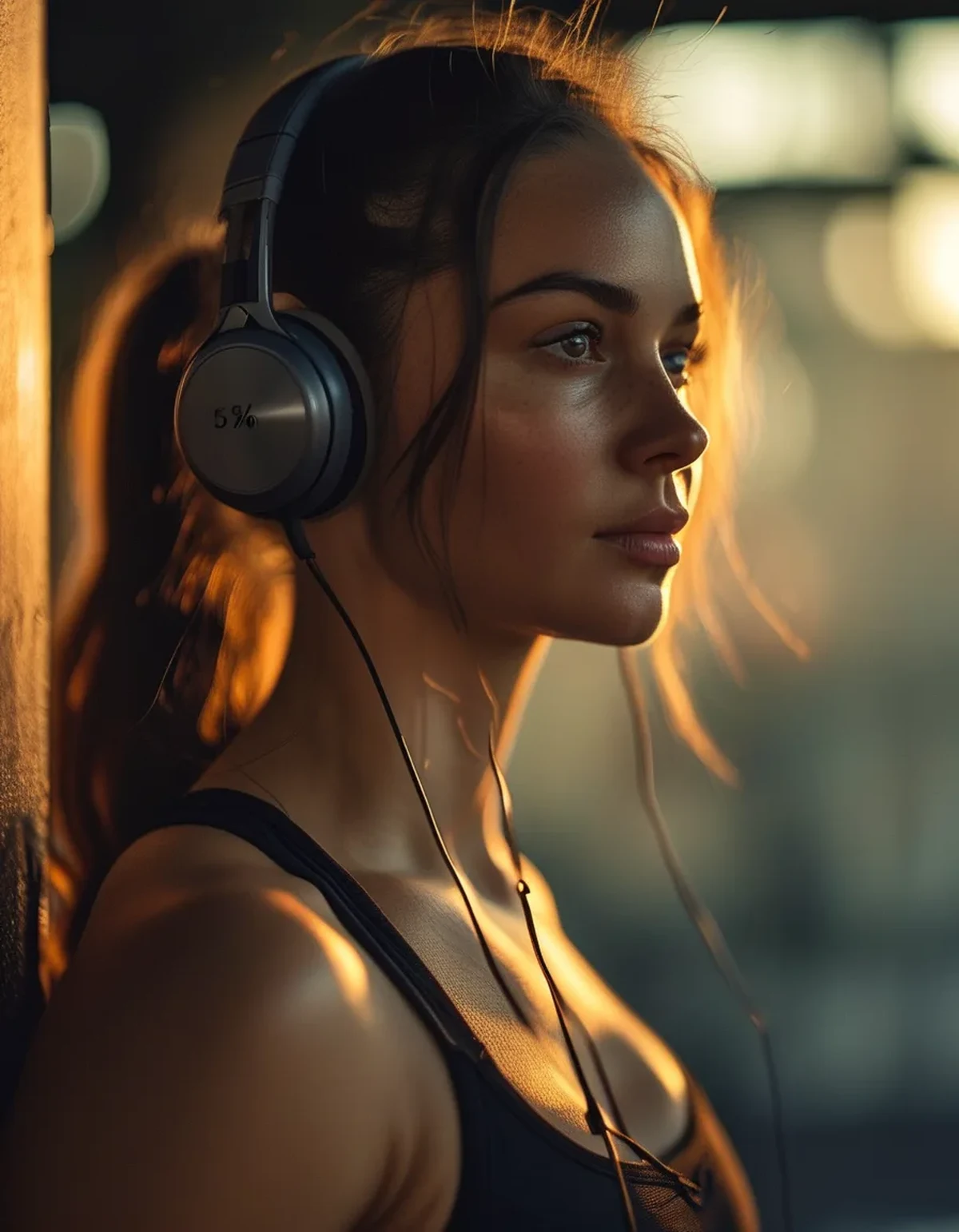
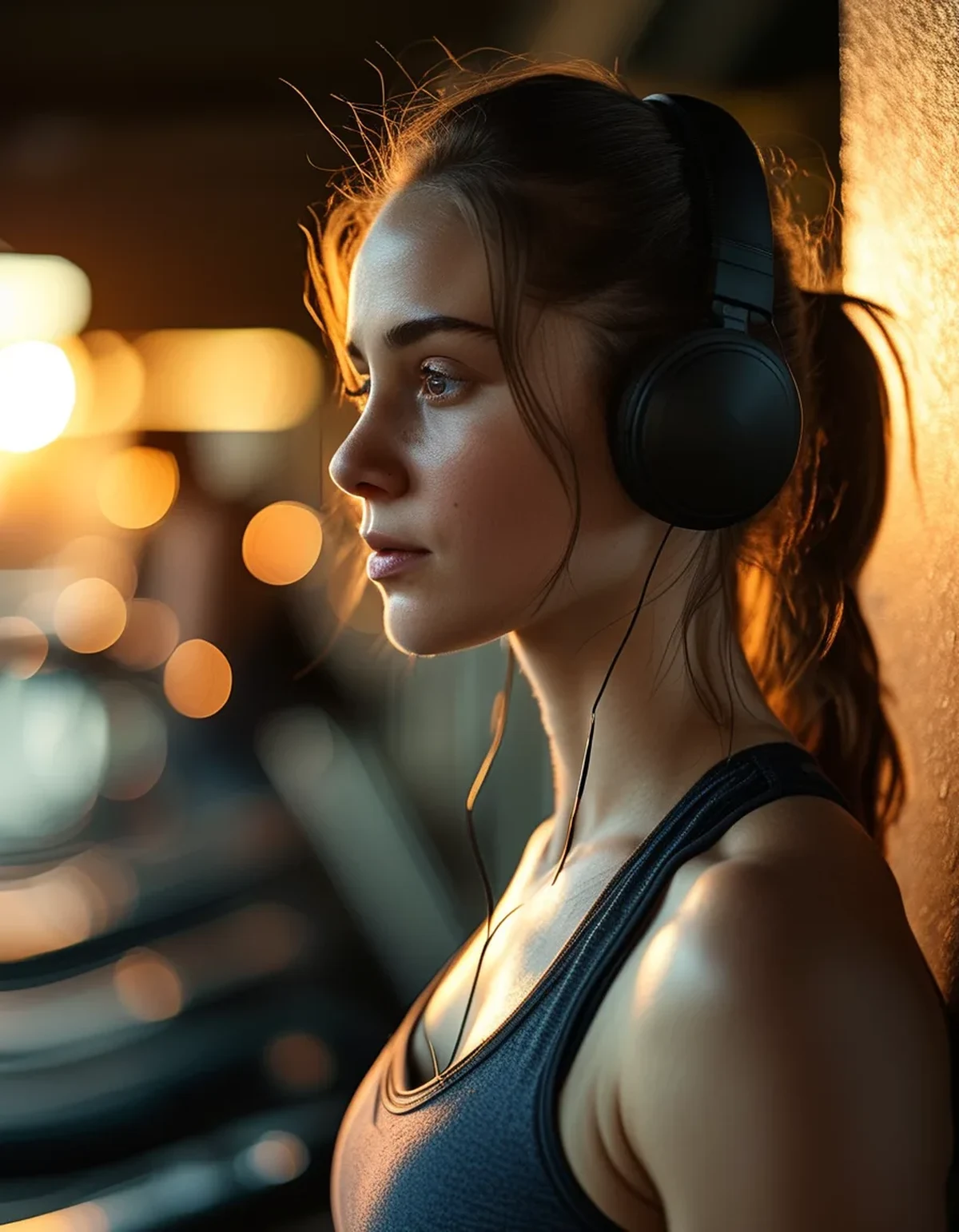
Headphones are the universal signal and they work whether or not anything is playing. Over-ear headphones read as less approachable than earbuds, which is either a feature or a drawback depending on your goal.
Prepare two exits. Something like Sorry, I am mid-set - catch you after and I am on a timer today, good to see you. Having the sentence ready is the entire trick, because the difficulty is never the words themselves, it is composing them under social pressure.
Brief acknowledgement prevents most extended conversation. A nod and a short reply closes an interaction faster than either enthusiasm or avoidance, both of which tend to prolong it.
Position yourself deliberately. Equipment at the edge of a room, facing away from main walkways, generates far fewer interactions than the machines in the middle. This is not antisocial - it is choosing your environment, which is exactly what you would do at work or at home.
Is training alone actually worse than classes?
No, and the evidence points the other way for anyone who dreads the class.
Adherence is the variable that predicts results, and adherence follows enjoyment. A solo programme done three times a week for a year beats a class format done sporadically for two months by an enormous margin.
What classes genuinely provide: external structure, enforced intensity, technique correction, and a scheduled commitment. Those are real benefits and they can be replicated - a written programme provides structure, a timer enforces intensity, a few sessions with a coach or well-filmed technique review covers form, and a calendar entry provides commitment.
What solo training provides that classes cannot: total control of pacing, no social overhead, freedom to repeat what you need rather than what the class is doing, and recovery of the energy that a group environment costs you - which for introverts is a genuine physiological cost, not a preference.
The honest middle option is one class a month for technique and novelty, with solo training as the base. Plenty of people find that combination works better than either extreme.
One caveat worth naming: solo training makes it easier to avoid the things you dislike, which are often the things you need. A written programme you follow rather than a session you invent solves that, and it also removes the in-public decision-making that makes gyms tiring in the first place.
Why am I more tired after a group class than a harder solo session?
Because you did two workouts and only counted one.
Social environments carry a real cognitive and physiological load - monitoring other people, managing your own presentation, processing noise and movement, and coordinating with a group. That load does not disappear because you are also exercising.
For introverts, this cost is higher and recovers more slowly. It is not a preference or an attitude; the research on stimulation thresholds is reasonably consistent.
Practical implication: count the social load in your weekly training budget. If a Tuesday class leaves you flat on Wednesday, that class is costing you more than its training stimulus is worth, and rearranging is a legitimate programming decision.
The recovery techniques that help are the ordinary ones applied deliberately: a quiet walk home rather than a chatty one, 20 minutes of no input before the evening continues, and not stacking a social class against a social evening on the same day.
A useful reframe: you are not less resilient. You are running a system with a different recovery profile, and programming around it produces better results than overriding it.
What about the changing room, the mirrors, and being watched?
Three separate problems with three separate fixes.
The changing room is the most avoidable. Arriving in your training clothes and showering at home removes the entire situation. It sounds like an evasion and it is simply logistics - plenty of people who love the gym do exactly this.
The feeling of being watched is almost always wrong. The spotlight effect is a well-documented cognitive bias in which we substantially overestimate how much others notice us. In practice, most people in a gym are absorbed in their own set, their own phone, or their own reflection. This does not make the feeling less real; it does make it inaccurate.
Mirrors have a genuine function - they are for technique feedback, not self-assessment. If they are unhelpful for you, train in the areas without them. Free-weight corners and functional areas frequently have far less mirror coverage than the main floor.
Clothing that you stop thinking about matters more than clothing that looks impressive. The practical test is whether you adjust it during a set. Anything you pull down after every squat is costing you attention you would rather spend elsewhere - which is the entire argument for fitted, high-rise, opaque training gear over whatever was nearest in the drawer.
And a written plan removes the visible hesitation that makes people feel exposed. Standing in the middle of a gym floor deciding what to do next is the most uncomfortable moment in a session, and it is completely eliminated by three lines written on your phone before you arrive.
What if none of this makes the gym tolerable?
Then the gym may not be your environment, and that is a legitimate conclusion rather than a failure. Home training, outdoor training, and small private studios all produce results, and the format you repeat for two years beats the one you endure for two months.
Does gym anxiety fade with time?
Usually yes, through familiarity - the same route, the same equipment, the same hour. Novelty is what costs energy, so a repeated routine gets cheaper. If anxiety is severe or generalising beyond the gym, that is worth discussing with a professional.
Is early morning really better for introverts?
Often, but not universally. Early gyms are quieter and people are less conversational, but the 6am to 8am block is also peak time in many facilities. Mid-morning is usually the genuine sweet spot for anyone with schedule flexibility.
This is general information, not medical advice.
TL;DR:
- Off-peak is roughly 10am to 2pm and after 8:30pm; September crowds extend peak hours for about four to six weeks before settling.
- Headphones plus two prepared exit lines solves small talk - the difficulty is composing sentences under pressure, so prepare them in advance.
- Training alone is not the lesser option: adherence beats format, and the social cost of classes is a real load worth budgeting for.
- Arrive changed, avoid mirror-heavy areas, wear something you never adjust, and bring a written plan - most gym discomfort is environmental design, not personality.
The reframe that helps most is treating this as logistics rather than character. You are not fixing yourself to fit the gym; you are choosing hours, equipment, clothing, and a plan that make the gym cost you less - which is exactly what everyone else does, just less deliberately.
Keep Reading
This article is for general informational and styling purposes only. Fit, sizing, and product availability may vary.