Do Introverts Actually Need More Rest Days Than Extroverts?
Quick Answer: Introversion itself doesn’t change muscular recovery time, but introverts often experience more mental fatigue from group training environments, which can make rest days feel more necessary even when the body has recovered physically.
The question comes up in nearly every online fitness forum eventually: do introverts genuinely need more recovery, or is it just a convenient excuse to skip the gym?
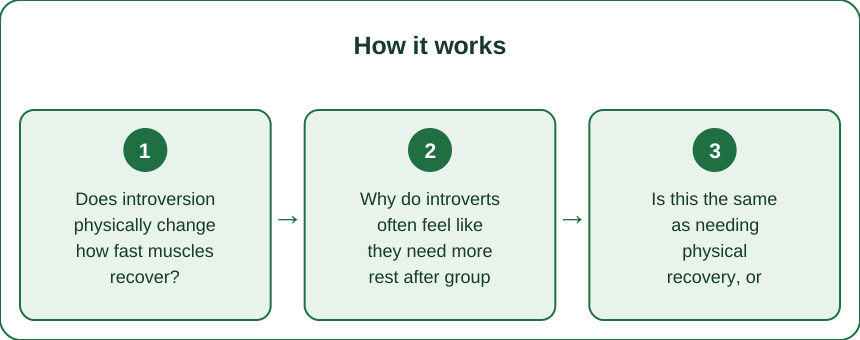
Does introversion physically change how fast muscles recover?
No direct research shows introversion changes muscular recovery rate — recovery is driven by sleep, protein intake, training load, and individual physiology, none of which are inherently tied to personality type.
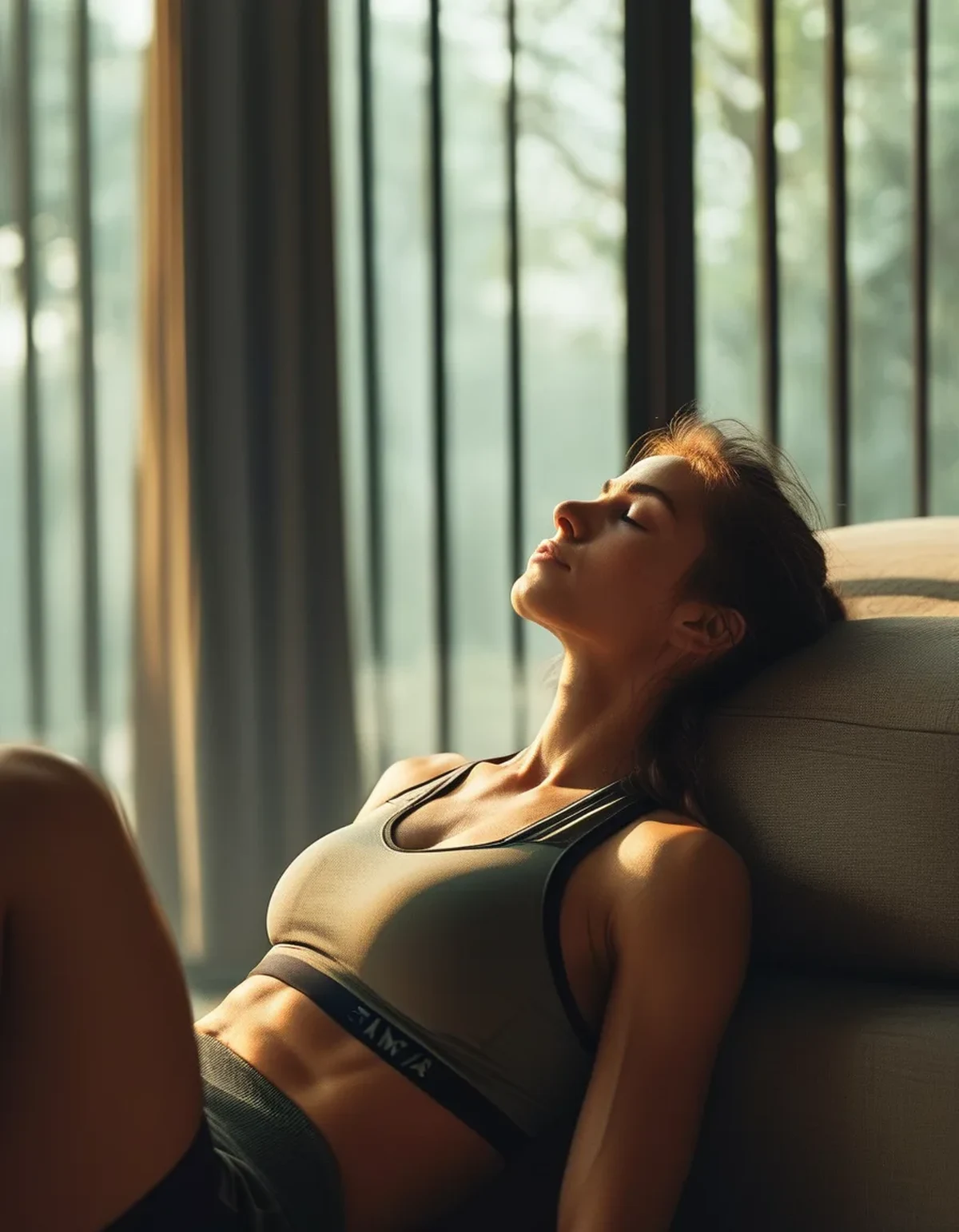
What differs is how draining the training environment itself feels, which is a separate factor from physical recovery but can affect how ready someone feels to train again.
Why do introverts often feel like they need more rest after group workouts?
Group fitness settings require sustained social processing — reading a room, engaging with instructors, being around noise and crowds — which draws on mental energy separate from the physical work.
For introverts, who typically recharge through solitude rather than social interaction, that mental load can compound with physical fatigue, making a group workout feel more depleting overall than the same exercise done alone.
Is this the same as needing physical recovery, or something different?
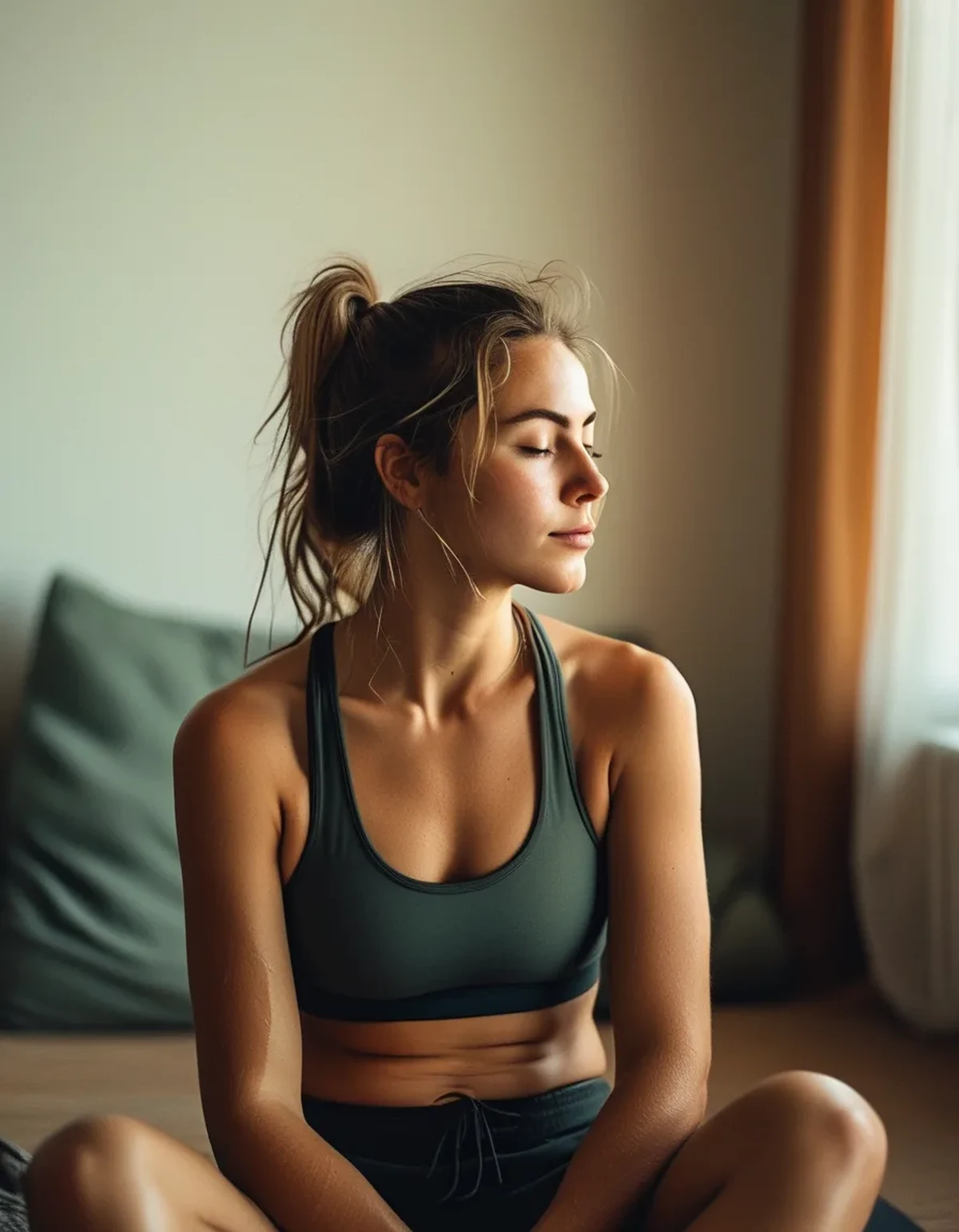
It’s a distinct kind of fatigue — cognitive and social, not muscular — which means the fix isn’t necessarily a full rest day, but often a lower-stimulation training environment instead.
Switching a group class for a solo session of similar physical intensity often resolves the “need for rest” feeling without actually taking a day off, since the physical body was ready to train; the environment was the draining part.
Do introverts need more physical rest days than extroverts?
Not based on current evidence — the underlying muscular recovery process is the same regardless of personality type.
So should introverts structure their training weeks differently?
Alternating between solo training days and any social or group sessions, rather than back-to-back group sessions, tends to work better for introverts specifically, based on self-reported recovery in survey-based fitness research.
Building in a genuinely quiet buffer window after a demanding social workout — even 20-30 minutes before the next commitment — addresses the social fatigue more directly than an extra physical rest day would.
Is skipping a workout because you feel drained from being around people a legitimate reason?
Yes — social and cognitive fatigue is real and can affect training quality, though the better fix is often a lower-stimulation session rather than skipping entirely.
FAQ: Introverts and Rest Day Questions, Answered
Should introverts avoid group fitness classes entirely?
Not necessarily — many introverts still enjoy occasional group classes, the key is balancing them with enough solo training to avoid constant social depletion.
Does this mean extroverts recover faster from workouts?
No — extroverts don’t have a physical recovery advantage either, they simply tend to find group training environments energizing rather than draining.
How can I tell if I need a physical rest day versus a lower-stimulation day?
If your muscles feel genuinely sore or heavy, that points to physical recovery; if you feel mentally foggy or reluctant despite physically feeling fine, that points to social or cognitive fatigue instead.
TL;DR:
- Introversion doesn’t change how fast muscles physically recover from training
- Group training environments create cognitive and social fatigue separate from physical fatigue
- A lower-stimulation solo session often resolves that fatigue better than a full rest day
- Alternating solo and group sessions across the week tends to work better for introverts
If you’re an introvert who feels wiped out after group classes, that’s a real signal — it just might be pointing you toward a quieter workout, not necessarily a day off.
Keep Reading
This article is for general informational and styling purposes only. Fit, sizing, and product availability may vary.