Why a Group Fitness Class Leaves You More Drained Than the Workout Itself
Quick Answer: For introverts, a group fitness class often costs more social energy than physical energy — the workout itself might be moderate, but sustained interaction, noise, and shared space produce a separate kind of fatigue. Build in solo recovery time after social workouts, and it stops feeling like such a wipeout.
The class itself wasn’t even that hard. And yet you’re wrecked for the rest of the evening in a way a solo run of the same intensity never leaves you. That’s not weakness — it’s a real, separate energy cost that group settings carry for introverts specifically.
Why does a social workout drain differently than a solo one?
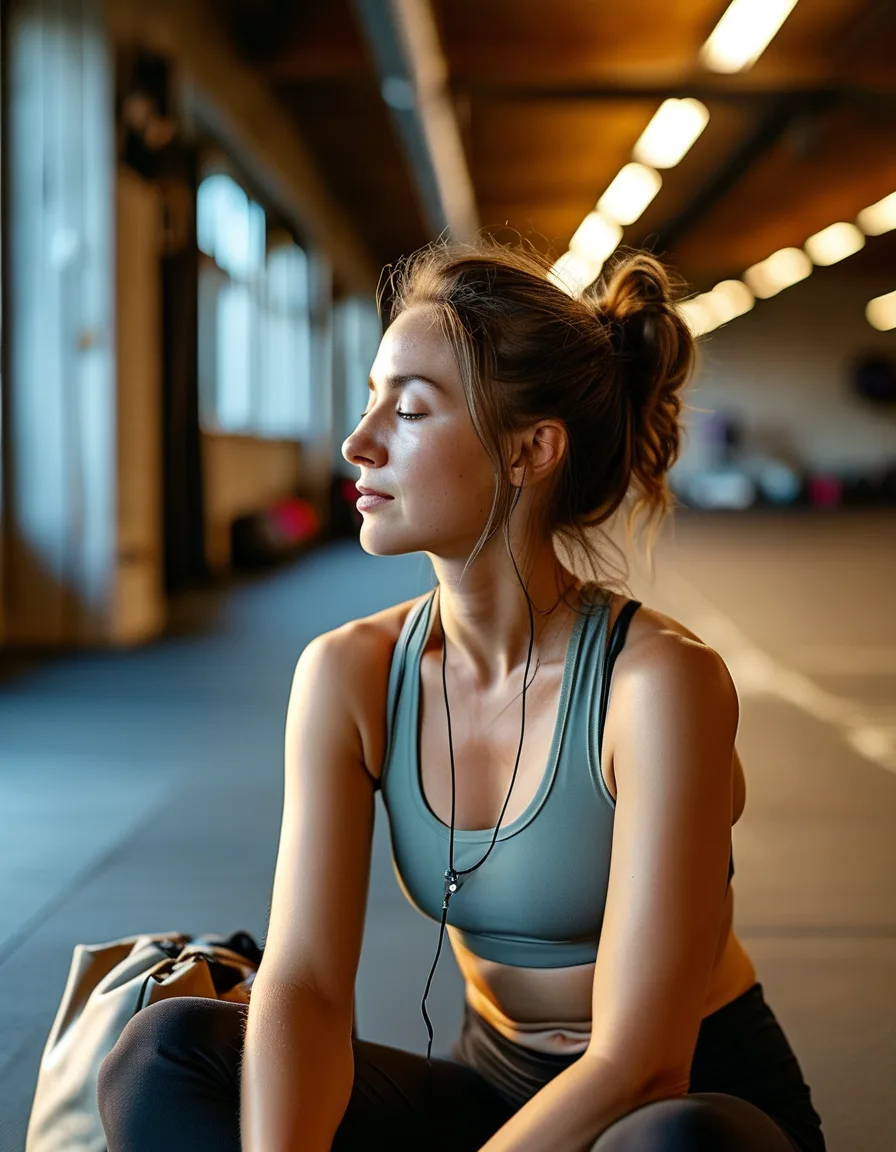
Social energy and physical energy are separate reserves. A group class layers sustained interaction, ambient noise, and shared space on top of the physical effort — for introverts, that social layer draws down its own limited battery, independent of how hard the workout itself was.
Does this mean introverts should avoid group fitness?
Not necessarily — group classes offer real benefits (accountability, instruction, community) worth having. The fix is usually planning recovery time after, not avoiding the class. Building in 20-30 minutes of quiet, unstructured time post-class treats the social cost as real and budgets for it, rather than being surprised by the crash.
What Nobody Tells You About Introvert Fitness
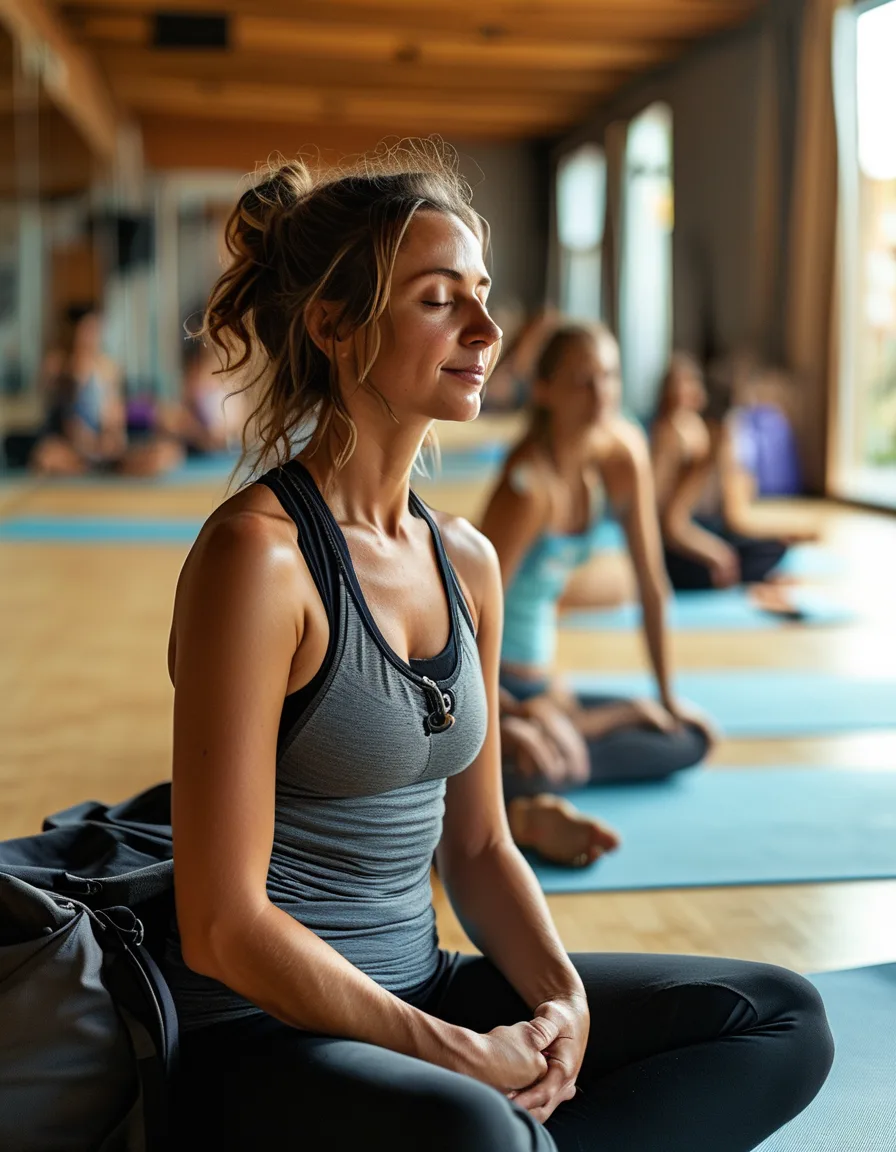
Here’s the part rarely acknowledged: choosing off-peak hours or smaller classes isn’t ‘giving in’ to introversion — it’s a legitimate strategy. A 6am class with 5 people costs meaningfully less social energy than a packed 6pm session, while delivering the same physical training effect.
What actually helps manage this long-term?
Alternate social and solo sessions through the week rather than all-group or all-solo. Pick off-peak class times when possible. And treat the post-class quiet recovery time as part of the workout plan, not an afterthought — scheduling a buffer before your next commitment prevents the crash from bleeding into the rest of your day.
FAQ: Introvert Fitness Questions, Answered
Is it normal to need alone time after a group workout?
Very common among introverts — it reflects a real, separate social energy cost, not poor stamina or unfriendliness.
Should introverts stick to solo workouts entirely?
Not necessarily — mixing in solo sessions reduces overall social fatigue while still allowing you to get the benefits of occasional group training.
Do smaller classes really feel different than large ones?
Yes — for many introverts, a class of 5-8 people costs noticeably less social energy than one with 20-30, even at identical workout intensity.
TL;DR:
- Group workouts draw on a separate social energy reserve, not just physical energy
- This is a real, common introvert-specific cost, not a fitness or personality flaw
- Budget 20-30 minutes of quiet recovery time after social workouts
- Mixing solo and group sessions, and choosing off-peak smaller classes, reduces the overall cost
Keep Reading
This article is for general informational and styling purposes only. Fit, sizing, and product availability may vary.